The Most Common Mistakes Homeowners Make After Water Damage
When water floods your home in Noblesville, the instinct is to act fast — but acting fast in the wrong way can make everything significantly worse. From electrical hazards to mold growth that starts within 24 to 48 hours, the mistakes made in the first few hours after water damage can cost thousands of dollars in additional repairs. At Water Damage Restoration Noblesville Pros, we’ve seen firsthand how well-meaning homeowners accidentally turn a manageable situation into a full-scale disaster. Whether you’re dealing with a burst pipe, a flooded basement, or storm-related flooding in neighborhoods like Downtown Noblesville, knowing what NOT to do is just as critical as knowing what to do.
Mistake #1: Entering a Water-Damaged Area Without Checking for Electrical Hazards
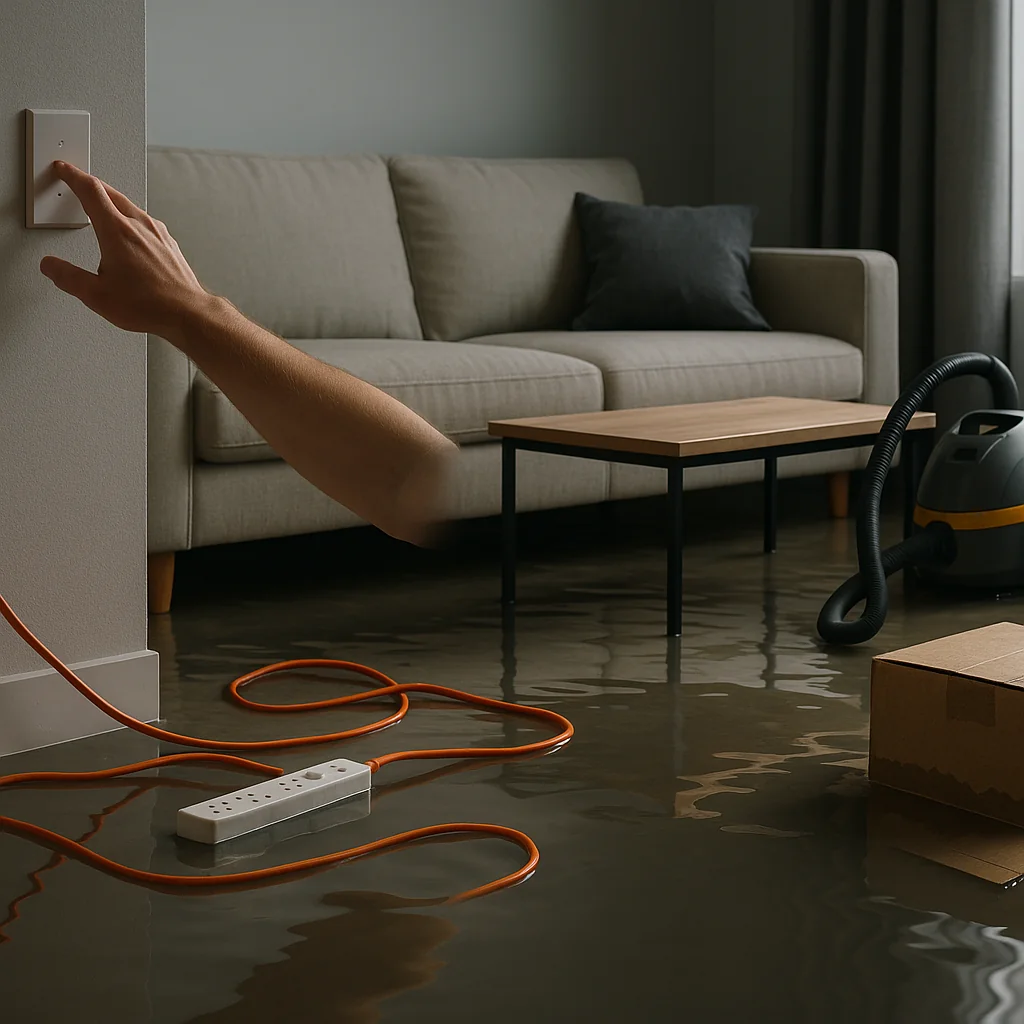
One of the most dangerous mistakes homeowners make is walking directly into a flooded room without first shutting off the electricity. Water and electricity are a lethal combination. If your home has standing water near electrical outlets, appliances, or your breaker panel, you are at serious risk of electrocution.
- Do not enter a flooded basement or room if you are unsure whether the electricity has been shut off.
- Do not use standard household extension cords or plug-in equipment in wet areas.
- Do not assume that because the lights are off the circuit is safe.
Always contact your utility provider or a licensed electrician before entering a severely water-damaged area. This is especially important for homeowners in areas prone to basement flooding. If you’re dealing with a flooded lower level, our team specializes in emergency flooded basement cleanup and knows how to safely assess and enter these environments.
Mistake #2: Using a Regular Household Vacuum to Remove Water
It might seem logical to grab your shop vac or household vacuum to start sucking up standing water. However, standard vacuums are not designed to handle large volumes of water and can be permanently damaged or even cause electrical shock if used improperly in wet conditions.
Even wet-dry vacuums, while better suited for small spills, are not powerful enough to extract water from saturated flooring, wall cavities, or subflooring. Professional water damage restoration companies use industrial-grade extraction equipment that removes far more moisture in a fraction of the time. Incomplete water removal is one of the leading causes of hidden mold growth — a problem that can develop silently behind walls and under floors within just two days.
Mistake #3: Waiting Too Long to Call a Professional
Time is your biggest enemy after water damage. Many homeowners spend the first 24 hours trying to handle everything themselves before finally calling for help. By that point, the damage has often progressed significantly. Here is a general timeline of what happens when water damage goes unaddressed:
| Time After Water Damage | What Happens |
|---|---|
| 0–1 Hours | Water spreads rapidly and saturates porous materials like drywall and flooring. |
| 1–24 Hours | Drywall begins to swell and break down. Metal surfaces start to tarnish. Furniture warps. |
| 24–48 Hours | Mold and mildew begin to grow. Structural materials weaken. Odors develop. |
| 1 Week+ | Mold spreads extensively. Structural damage becomes severe. Restoration costs skyrocket. |
If you live in communities like Hazel Dell or River Forest, where older housing stock and mature landscaping can contribute to drainage issues, calling a professional restoration team immediately is the smartest move you can make.
Mistake #4: Turning On Fans and HVAC Systems to Dry Things Out
This is one of the most misunderstood mistakes in water damage response. While airflow is important in the drying process, simply turning on ceiling fans or your HVAC system is not the solution — and can actually cause serious harm.
- Ceiling fans do not generate enough directional airflow to dry saturated materials effectively.
- HVAC systems can circulate contaminated air and mold spores throughout your entire home if the water source was anything other than clean supply water.
- Portable box fans placed incorrectly can push moisture into walls and unaffected areas of the home.
Professional restoration teams use commercial-grade air movers and dehumidifiers that are strategically placed based on moisture readings taken with professional equipment. This targeted approach dries your home efficiently without spreading contamination.
Mistake #5: Assuming All Water Damage Is the Same
Not all water is created equal. Water damage is categorized into three types based on contamination level:
- Category 1 (Clean Water): Originates from a clean source like a broken supply line or overflowing sink. Least hazardous.
- Category 2 (Gray Water): Contains significant contamination and can cause illness if ingested. Examples include dishwasher overflow or washing machine discharge.
- Category 3 (Black Water): Highly contaminated water from sewage backups, flooding from rivers or streams, or standing water that has been left untreated. Extremely hazardous.
Treating Category 3 black water as if it were a simple clean water spill is a serious and dangerous mistake. Homeowners in flood-prone areas near waterways — including parts of Stony Creek — are particularly at risk of encountering Category 3 water after heavy rainfall or flooding events. Always let professionals assess the water category before any cleanup begins.
Mistake #6: Removing or Discarding Damaged Items Too Quickly
While it may seem helpful to start throwing out soaked furniture, flooring, or personal belongings immediately, doing so too quickly can actually hurt your insurance claim. Insurance adjusters need to document the full extent of the damage before items are removed or disposed of.
Here is what you should do instead:
- Take extensive photos and videos of all damaged areas and items before moving anything.
- Make a detailed written inventory of damaged belongings including estimated values.
- Contact your insurance company before beginning any cleanup or removal.
- Work with a licensed restoration company that can provide professional documentation to support your claim.
At Water Damage Restoration Noblesville Pros, we work directly with insurance companies and can help you navigate the claims process smoothly while ensuring no documentation is missed.
Mistake #7: Ignoring Hidden Moisture
Water is deceptive. What you can see on the surface is rarely the full extent of the damage. Water travels through walls via capillary action, seeps under flooring, and accumulates in wall cavities and insulation. Homeowners who clean up only what they can see often find themselves dealing with mold problems weeks or months later.
Professional restoration technicians use tools like moisture meters, thermal imaging cameras, and hygrometers to detect hidden moisture that is completely invisible to the naked eye. Without this technology, it is nearly impossible to confirm that a structure is truly dry.
Mistake #8: Using Bleach as a Mold Solution
Many homeowners reach for bleach at the first sign of mold growth after water damage. While bleach can kill surface mold on non-porous materials, it is largely ineffective on porous materials like drywall and wood — which are the most common surfaces affected by water damage.
Bleach does not penetrate porous materials. It kills surface mold while leaving the root structure (mycelium) intact, allowing mold to regrow quickly. Additionally, mixing bleach with other cleaning products can create toxic fumes, adding another layer of risk to an already hazardous situation.
Proper mold remediation requires professional-grade antimicrobial treatments, containment procedures, and in many cases physical removal of affected materials. This is not a DIY job, especially when dealing with large affected areas.
What You SHOULD Do Immediately After Water Damage
Now that we have covered the major mistakes to avoid, here is a quick summary of the correct immediate steps:
- Ensure personal safety first — check for electrical hazards and structural instability.
- Stop the water source if it is safe to do so (shut off the main water valve if needed).
- Call a licensed water damage restoration company immediately.
- Document everything with photos and video before touching anything.
- Contact your homeowner’s insurance provider to report the damage.
- Move valuables to a dry area only if it is safe to do so.
- Do not use electrical appliances in wet areas.
The faster you take these steps, the better your chances of minimizing damage, reducing costs, and protecting the health of everyone in your home.
Why Local Expertise Matters in Noblesville
Noblesville homeowners face unique water damage risks due to Indiana’s weather patterns, aging infrastructure in certain neighborhoods, and proximity to natural waterways. A restoration company that understands the local environment — the soil types, drainage patterns, and common construction styles — is far better equipped to address water damage effectively than a generic national chain.
Water Damage Restoration Noblesville Pros is a locally based team with deep knowledge of Noblesville’s neighborhoods and the specific challenges they present. From newer developments to historic homes, we have the experience and equipment to handle water damage of any scale with speed and precision.
If you are experiencing water damage right now or want to be prepared before disaster strikes, call us at (866) 725-0333. We are available around the clock to respond to emergencies throughout Noblesville and the surrounding communities.
Leave a Reply