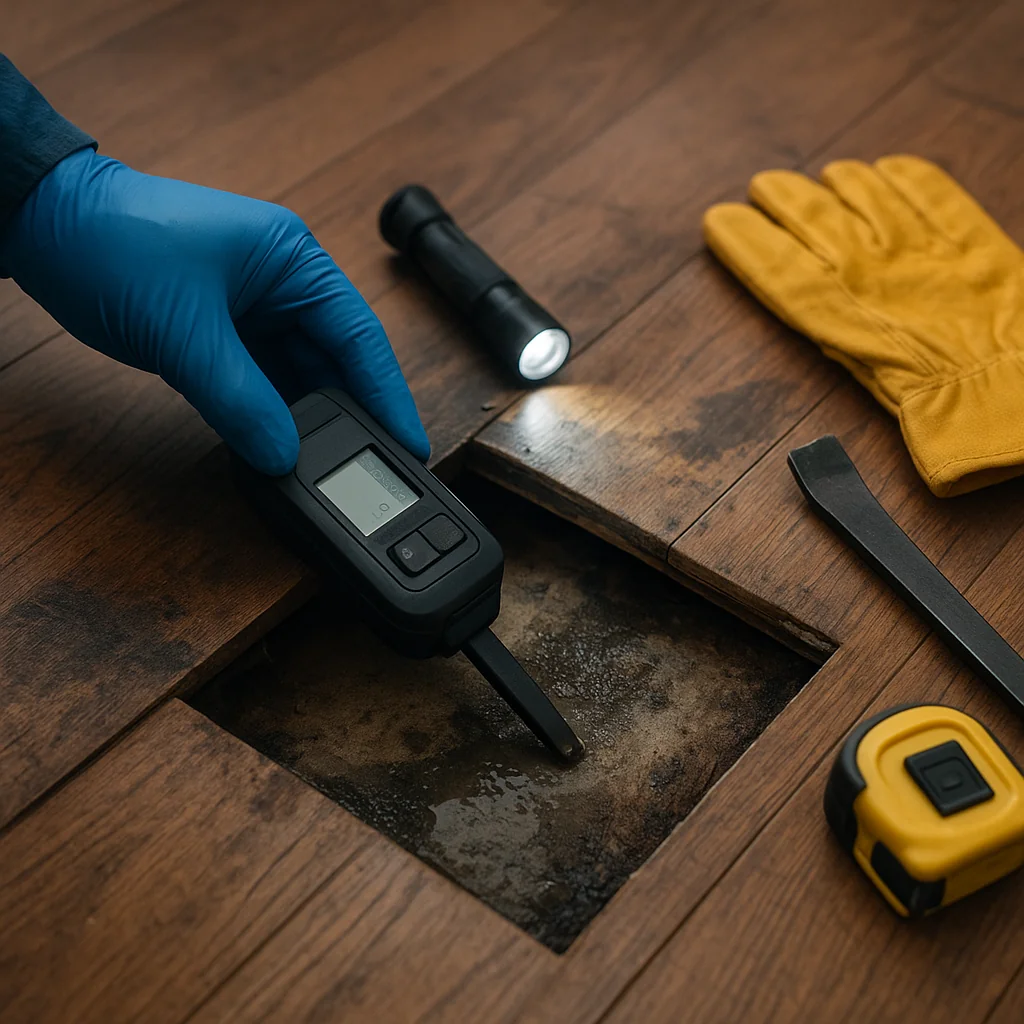
How to Tell If You Have Water Damage Under Your Floor
If you live in Noblesville and have noticed something off about your flooring — a soft spot, a musty smell, or tiles that seem to be lifting — you may already be dealing with water damage beneath the surface. Water damage under floors is one of the most deceptive and costly problems homeowners face because it often develops silently, hidden from plain view. By the time visible symptoms appear, the damage has frequently been building for weeks or even months. Understanding the warning signs early can save you thousands of dollars in repairs and protect your home from long-term structural issues and mold growth.
Why Under-Floor Water Damage Is So Common in Noblesville
Noblesville, Indiana experiences a wide range of weather conditions throughout the year — from heavy spring rains and summer storms to freezing winter temperatures that can cause pipes to burst. These seasonal extremes create multiple opportunities for water to infiltrate your home’s subfloor. Aging plumbing systems, poor drainage around foundations, and appliance leaks are also common culprits. Because Noblesville sits in a region with clay-heavy soil that retains moisture, hydrostatic pressure against basement walls and slabs is a persistent concern for many homeowners.
When water finds its way beneath your flooring — whether it’s hardwood, laminate, tile, or vinyl — it begins to break down the structural materials underneath. The subfloor, which is typically made of plywood or OSB (oriented strand board), is especially vulnerable to moisture. Once it becomes saturated, warping, rot, and mold follow quickly. Prompt water damage cleanup is essential to preventing these outcomes from becoming permanent.
Top Signs You Have Water Damage Under Your Floor
1. Warping or Buckling Floorboards
One of the most obvious signs of moisture beneath your floor is warping or buckling. When wood absorbs water, it expands unevenly. Hardwood planks may cup (edges curl upward) or crown (the center rises). Laminate flooring tends to bubble and separate at the seams. If you notice sections of your floor that are no longer flat or that have developed an unusual curve, water infiltration is a likely cause.
This kind of damage is especially common after flooding events or slow plumbing leaks that go undetected for extended periods. Even a small, persistent drip under a refrigerator or dishwasher can saturate the subfloor over time.
2. Soft or Spongy Spots Underfoot
Walk slowly across your floor and pay attention to how it feels beneath your feet. A healthy subfloor should feel firm and solid. If you notice areas that feel soft, spongy, or that give slightly when you step on them, this is a strong indicator that the subfloor has been compromised by moisture. Rotted or weakened subfloor materials lose their structural integrity, creating that characteristic give that signals serious damage below.
Do not ignore these spots. What starts as a soft area can eventually become a safety hazard if the subfloor deteriorates enough to create a collapse risk.
3. Musty or Moldy Odors
Mold thrives in dark, damp environments — and the space beneath your floor is an ideal breeding ground. If you detect a persistent musty smell in a room even after cleaning, it may be coming from mold or mildew growing under the flooring. This odor is often described as earthy, stale, or similar to wet cardboard.
Mold can begin growing within 24 to 48 hours of water exposure. By the time you can smell it, a colony has likely already established itself. Mold exposure poses serious health risks, particularly for children, the elderly, and individuals with respiratory conditions. If you suspect mold is involved, professional assessment is critical.
4. Staining or Discoloration on the Floor Surface
Dark stains, water rings, or discoloration on your floor surface — especially on hardwood or laminate — often indicate moisture coming from below. These stains may appear as dark patches, yellowish rings, or gray streaks. On tile floors, look for grout lines that appear darker than usual or that show signs of crumbling, as water can seep through deteriorating grout and accumulate beneath the tile.
Staining that appears in the same location repeatedly, even after cleaning, is a telltale sign that a moisture source beneath the floor is continuing to cause problems.
5. Tiles That Are Cracking or Lifting
Ceramic and porcelain tiles are generally water-resistant on their surface, but they are not immune to under-floor water damage. When the subfloor or the adhesive beneath tiles becomes saturated, tiles can crack, pop loose, or lift at the edges. You may also notice that tiles that were once firmly set now produce a hollow sound when tapped — a sign that the bond between the tile and the subfloor has been broken by moisture.
Loose or cracked tiles should never be dismissed as a cosmetic issue. They are frequently a symptom of a deeper moisture problem that requires investigation.
6. Peeling or Bubbling Floor Finish
On hardwood floors, the finish or sealant may begin to bubble, peel, or flake when moisture is present. This happens because water vapor rises through the wood and disrupts the bond between the finish and the surface. Similarly, vinyl plank flooring may show bubbling or separation along seams when moisture is trapped underneath.
If you see finish damage concentrated in one area rather than distributed evenly across a high-traffic zone, moisture is the more likely explanation than normal wear and tear.
7. Visible Mold Around Floor Edges or Baseboards
Mold that becomes visible at the base of walls, along baseboards, or at the edges where the floor meets the wall is a serious warning sign. This growth pattern suggests that moisture has been present long enough for mold to colonize and spread. Baseboards may also show signs of swelling, warping, or paint that is bubbling away from the wall.
In these situations, the damage has likely already extended beneath the floor and possibly into the wall cavities. This requires immediate professional intervention.
8. Unexplained Increase in Utility Bills
A sudden spike in your water bill without a corresponding increase in usage can indicate a hidden plumbing leak. If that leak is located beneath your floor — perhaps from a supply line or drain pipe running under the slab — water may be silently saturating your subfloor without any visible signs on the surface. Monitoring your water meter for unexpected changes is a smart habit for any Noblesville homeowner.
Common Causes of Under-Floor Water Damage
- Burst or leaking pipes: Especially common during Noblesville’s cold winters when pipes freeze and crack.
- Appliance leaks: Dishwashers, refrigerators, washing machines, and water heaters are frequent culprits.
- Roof leaks: Water that enters through a damaged roof can travel along structural members and appear far from the original entry point. Professional roof leak water damage restoration addresses both the source and the resulting floor damage.
- Flooding: Stormwater intrusion or sewer backups can rapidly saturate flooring from below.
- Foundation issues: Groundwater seeping through a cracked foundation or slab can wick moisture into floors above.
- HVAC condensation: Improperly drained condensate lines can drip water onto floors over time.
What to Do If You Suspect Water Damage Under Your Floor
If you recognize any of these warning signs in your Noblesville home, acting quickly is essential. Here is a practical step-by-step approach:
- Identify and stop the source: Locate the origin of the moisture and stop it if possible. Turn off the water supply if a plumbing leak is suspected.
- Remove standing water: If there is visible water present, prompt standing water removal prevents further saturation and reduces the risk of mold development.
- Document the damage: Take photos and videos for insurance purposes before any cleanup begins.
- Avoid using the affected area: Walking on compromised flooring can worsen structural damage and create safety risks.
- Contact a restoration professional: Certified water damage restoration specialists have the moisture detection equipment and drying technology needed to fully assess and remediate under-floor damage.
Why Professional Restoration Matters
Many homeowners attempt to dry out water-damaged floors using fans and dehumidifiers alone. While these tools help with surface moisture, they are rarely sufficient to address the moisture trapped within subfloor materials. Professionals use thermal imaging cameras, moisture meters, and industrial-grade drying systems to ensure that all affected materials are thoroughly dried — not just the surface.
For homeowners in areas like Arcadia and surrounding communities, having access to a local team that understands regional weather patterns and building construction makes a meaningful difference in restoration outcomes.
When flooding or major leaks occur, emergency water extraction performed within the first few hours can dramatically reduce the scope of damage and lower overall restoration costs. Time is always a critical factor in water damage scenarios.
Preventing Future Under-Floor Water Damage
Prevention is always preferable to restoration. Here are proactive steps Noblesville homeowners can take to reduce the risk of under-floor water damage:
- Inspect appliance hoses and connections annually and replace rubber hoses with braided steel alternatives.
- Maintain gutters and downspouts to direct water away from the foundation.
- Seal cracks in your foundation promptly.
- Install a whole-home water leak detection system.
- Keep your HVAC system properly maintained and ensure condensate lines drain correctly.
- Check under sinks and around toilets regularly for signs of moisture.
- Ensure proper grading around your home so that surface water flows away from the structure.
When to Call Water Damage Restoration Noblesville Pros
If you have noticed any of the signs described in this article — warping floors, soft spots, musty odors, visible mold, or unexplained staining — do not wait to seek professional help. Water damage under your floor does not resolve itself. It compounds over time, leading to increasingly costly repairs and growing health risks from mold exposure.
Water Damage Restoration Noblesville Pros is a locally trusted team serving Noblesville and the surrounding communities. Our certified technicians use advanced moisture detection and drying equipment to identify hidden water damage and restore your home efficiently and thoroughly. Call us today at (866) 725-0333 to schedule an assessment or get immediate help with an active water emergency.
Leave a Reply