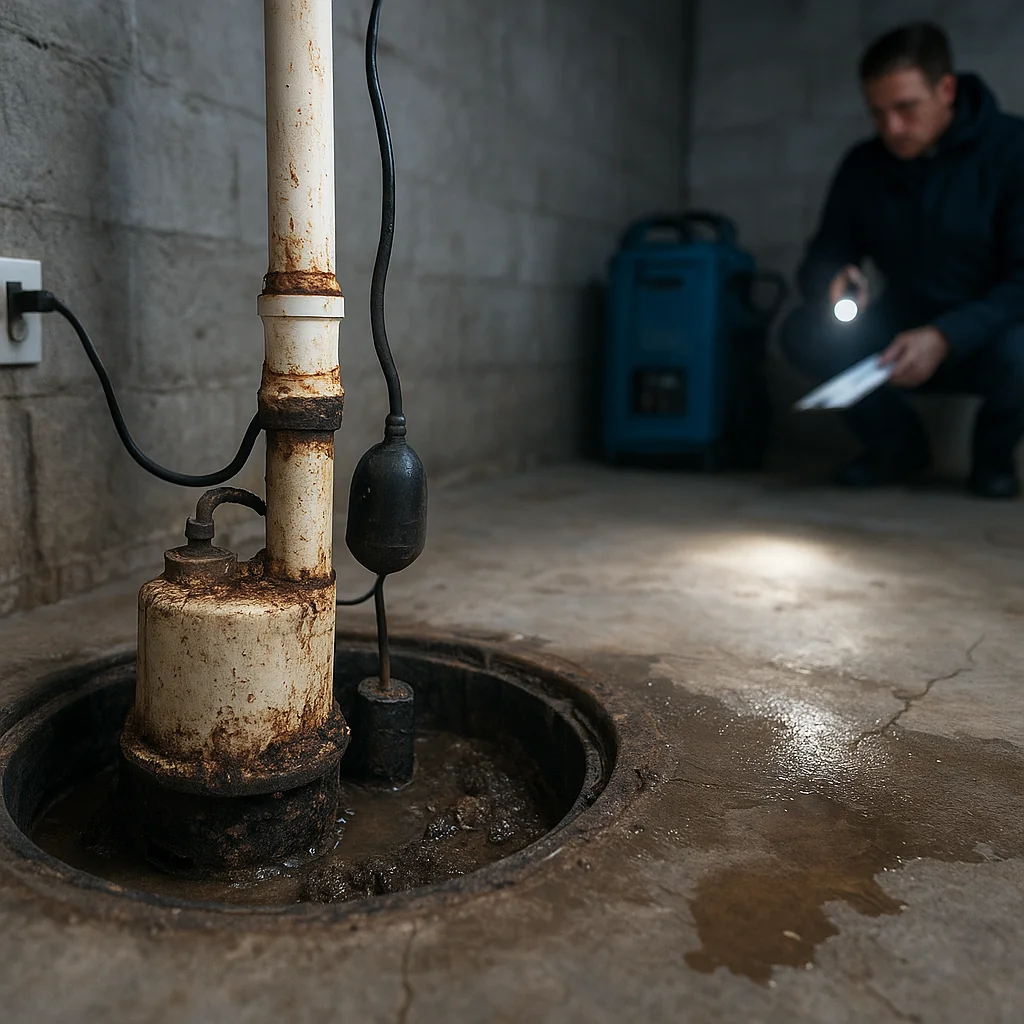
Why Sump Pumps Fail: The Real Causes Behind Basement Flooding in Noblesville
Sump pump failure is one of the leading causes of basement flooding in Noblesville, Indiana — and it often happens at the worst possible moment: during a heavy rainstorm when your home needs that protection the most. Understanding why sump pumps fail gives homeowners the knowledge to act before a small malfunction turns into thousands of dollars in water damage. From power outages during severe weather to aging equipment and improper installation, the causes are more common and preventable than most people realize.
The Role of Sump Pumps in Noblesville Homes
Noblesville sits in Hamilton County, an area that experiences significant seasonal rainfall and occasional flooding events tied to the White River and local drainage systems. Homes in this region — especially those with finished basements or crawl spaces — rely heavily on sump pumps to redirect groundwater and stormwater away from the foundation before it can cause damage.
A sump pump works by collecting water in a pit (the sump basin) located at the lowest point of your basement or crawl space. When water reaches a certain level, a float switch activates the pump, which then pushes water through a discharge pipe away from your home. When this system fails, water accumulates rapidly and can cause extensive structural damage, destroy personal belongings, and create the ideal conditions for basement mold after flooding — a secondary problem that can be even more costly to remediate.
Top Reasons Sump Pumps Fail in Noblesville Homes
1. Power Outages During Storms
One of the most frustrating ironies of sump pump ownership is that the very storms that make your pump necessary are the same storms most likely to knock out your power. Noblesville is no stranger to severe thunderstorms, especially between April and September. When the power goes out, a standard sump pump stops working entirely — leaving your basement vulnerable at exactly the wrong time.
Prevention tip: Install a battery backup sump pump system. These units activate automatically when the primary pump loses power and can run for several hours on a fully charged battery. Some homeowners also invest in water-powered backup pumps that use municipal water pressure to keep water moving even during an outage.
2. Float Switch Malfunctions
The float switch is the mechanism that tells your sump pump when to turn on and off. Over time, float switches can become stuck in the off position due to debris accumulation, corrosion, or physical displacement inside the sump pit. A stuck float switch means the pump never activates — even as water levels rise dangerously high.
In some cases, the float switch gets tangled against the pump or the walls of the basin, which is especially common in smaller sump pits. Regular inspection of the float switch is a simple but often overlooked maintenance task that can prevent a major failure.
3. Overwhelmed Pump Capacity
Not all sump pumps are created equal. A pump that was appropriately sized for average rainfall may be completely overwhelmed during an extreme weather event. Noblesville has seen significant rainfall totals during spring and summer storms, and if your pump’s horsepower and flow rate cannot keep up with the volume of incoming water, it will simply fall behind — and your basement will flood.
If you’ve noticed that your pump runs constantly during heavy rain or that water still seeps in despite the pump being operational, it may be time to upgrade to a higher-capacity unit. A professional assessment can help determine the right pump size for your home’s specific drainage needs.
4. Improper Installation
A sump pump that was installed incorrectly may appear to function normally under light conditions but fail when it’s needed most. Common installation errors include:
- Missing or incorrectly installed check valves that allow water to flow back into the pit
- Discharge pipes that are too small or improperly routed
- Sump pits that are too shallow or too narrow
- Pumps positioned too close to the walls of the basin
- Discharge lines that terminate too close to the foundation, sending water back toward the home
If your home is older or if the sump pump was installed by a previous homeowner without professional guidance, it’s worth having a qualified technician evaluate the entire system. Improper installation is a silent failure risk that many Noblesville homeowners don’t discover until water is already on the floor. In situations like these, prompt water damage cleanup becomes essential to prevent long-term structural issues.
5. Pump Age and Wear
The average sump pump has a lifespan of 7 to 10 years, though this varies based on usage frequency, water quality, and maintenance habits. In Noblesville, where pumps may run frequently during wet seasons, wear and tear can accumulate faster than expected. Components like the motor, impeller, and seals degrade over time, reducing efficiency and increasing the likelihood of sudden failure.
Key signs your pump may be aging out:
- Unusual noises such as grinding or rattling during operation
- Visible rust or corrosion on the pump body
- The pump runs but water levels don’t drop
- Frequent cycling on and off in short intervals
- The pump is more than 8 years old
Replacing an aging pump before it fails completely is far less expensive than dealing with the aftermath of a flooded basement. Sump pump failure water damage can escalate quickly and affect flooring, drywall, insulation, and even your home’s foundation if not addressed immediately.
6. Clogged or Frozen Discharge Lines
The discharge line carries water from your sump pump to a safe exit point outside your home. If this line becomes clogged with debris, sediment, or ice during winter months, the pump has nowhere to send the water — and may burn out trying. In Noblesville, where temperatures can dip well below freezing in January and February, frozen discharge lines are a real seasonal risk.
Make sure your discharge line terminates at least 10 feet from your foundation and slopes downward to prevent water from pooling and freezing near the outlet. Installing a freeze guard or using an insulated pipe cover can help protect the line during cold snaps.
7. Lack of Maintenance
Many homeowners install a sump pump and forget about it — until it fails. Like any mechanical system, sump pumps require periodic maintenance to perform reliably. This includes:
- Testing the pump quarterly by pouring water into the pit to trigger the float switch
- Cleaning debris from the sump pit at least once a year
- Inspecting the discharge line for blockages or damage
- Checking the check valve for proper operation
- Verifying that the backup battery (if present) holds a charge
A simple annual maintenance routine can dramatically extend the life of your pump and catch small issues before they become emergencies. Homeowners in surrounding communities like Tipton face similar drainage challenges and benefit from the same proactive approach to sump pump care.
When Sump Pump Failure Leads to Bigger Problems
A failed sump pump doesn’t just mean wet carpet. When water is allowed to sit in a basement for even 24 to 48 hours, the consequences can compound rapidly. Standing water weakens drywall and wood framing, damages electrical systems, ruins stored belongings, and creates the warm, moist environment that mold spores need to colonize surfaces.
In some cases, a basement flood can also create sewage-related hazards if the water intrusion is connected to a backed-up drain system. If you’re dealing with water that has a foul odor or visible contamination, you may need basement sewage backup cleanup in addition to standard water removal — a situation that requires professional handling due to the health risks involved.
Local Factors That Increase Risk in Noblesville
Noblesville’s geography and soil composition play a meaningful role in how quickly water accumulates around home foundations. The region’s clay-heavy soils retain moisture and drain slowly, meaning that even moderate rainfall can saturate the ground quickly and push water toward basement walls and floors. Neighborhoods near Morse Reservoir, Stony Creek, or low-lying areas of the city are particularly susceptible to high water table conditions that put extra strain on sump pump systems.
Additionally, older homes in Noblesville — particularly those built before 1990 — may have outdated drainage infrastructure that wasn’t designed to handle today’s precipitation patterns. If your home falls into this category, a comprehensive waterproofing evaluation is worth considering alongside sump pump upgrades.
What to Do When Your Sump Pump Fails
If you discover that your sump pump has failed and water is already entering your basement, here are the immediate steps to take:
- Turn off electricity to the affected area if water is near any outlets or electrical panels
- Call a water damage restoration professional immediately — time is critical in limiting damage
- Do not enter standing water without knowing whether it’s electrically safe
- Document the damage with photos and video for insurance purposes
- Contact your insurance provider to report the claim as soon as possible
Professional restoration teams have the equipment to extract water quickly, dry structural materials thoroughly, and assess the full scope of damage — including hidden moisture inside walls and under flooring that homeowners often miss.
Proactive Steps to Protect Your Noblesville Home
Prevention is always less expensive than restoration. Beyond maintaining your existing sump pump, consider these additional protective measures:
- Install a water alarm in your sump pit that alerts you when water levels rise unexpectedly
- Grade your yard so that the ground slopes away from your foundation
- Keep gutters and downspouts clean and directed away from the home
- Consider a whole-home waterproofing system if your basement has a history of moisture issues
- Schedule a professional inspection of your sump pump system each spring before peak storm season
Taking these steps now can mean the difference between a minor inconvenience and a major restoration project when the next significant storm rolls through Noblesville.
Leave a Reply