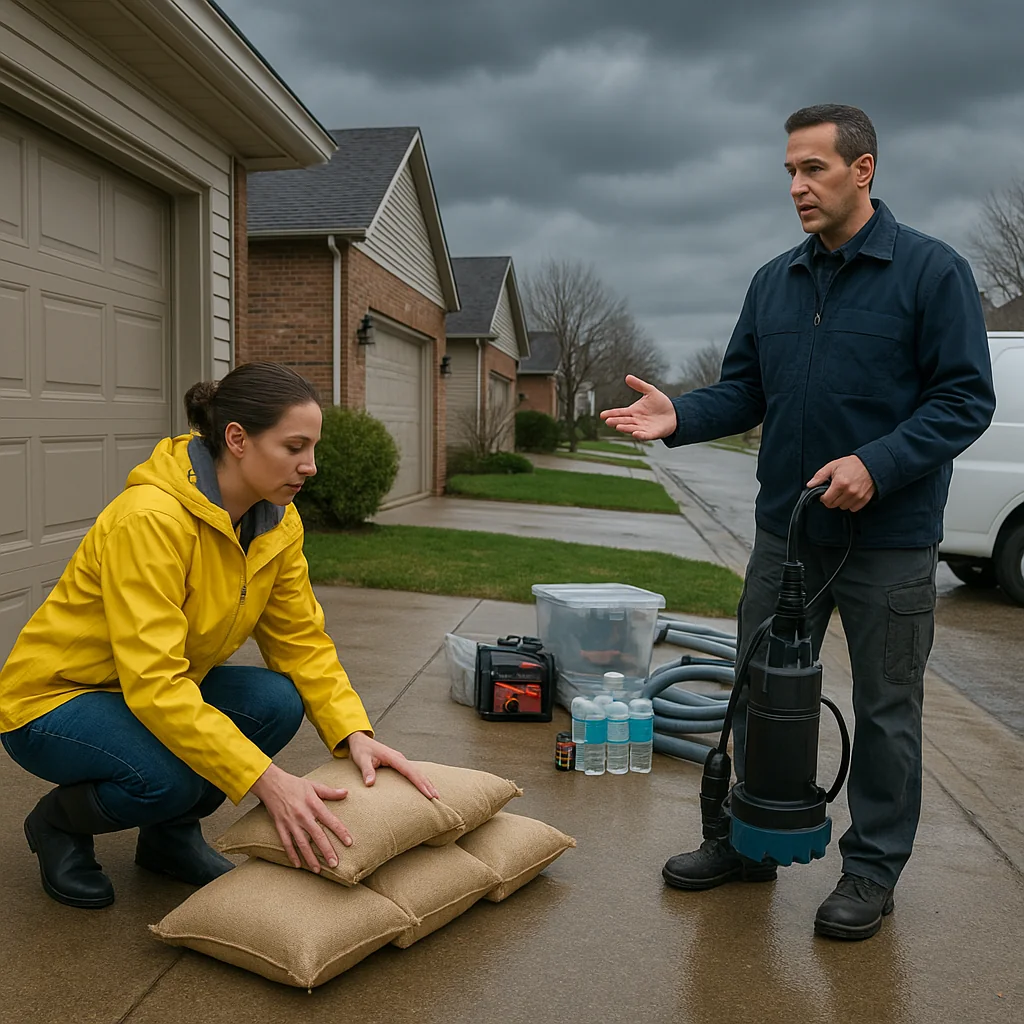
Preparing for Flood Season in Noblesville: Protecting Your Home and Property
As a resident of Noblesville, Indiana, you know that the rainy season can bring a host of challenges, including the risk of devastating floods. With the right preparation and proactive measures, you can safeguard your home and property from the devastating effects of seasonal floods. In this comprehensive guide, we’ll explore practical steps you can take to ensure your family and your investment are protected during flood season.
Understanding Flood Risk in Noblesville
Noblesville is situated along the banks of the White River, which means the city is no stranger to the threat of flooding. Heavy rainfall, rapid snowmelt, and overflowing waterways can all contribute to the risk of floods in the area. By understanding the unique flood patterns and potential hazards in your neighborhood, you can better prepare your home and take the necessary precautions.
Assessing Your Flood Risk
Start by evaluating the flood history of your specific location. Check with local authorities or visit the Seasonal Flood Damage Cleanup page to learn about the flood zones in your area and the likelihood of flooding in your neighborhood. This information will help you determine the appropriate steps to take to protect your property.
Preparing Your Home for Flood Season
Once you’ve assessed your flood risk, it’s time to take action and prepare your home for the rainy season. Here are some essential steps to consider:
Inspect and Maintain Your Home’s Exterior
Ensure your roof, gutters, and downspouts are in good condition and directing water away from your foundation. Moisture detection services can help identify any potential leaks or areas of concern. Seal cracks and gaps in your home’s exterior to prevent water intrusion.
Protect Your Basement and Foundation
If your home has a basement, take steps to waterproof it and install a sump pump to remove excess water. Consider installing basement water extraction systems to mitigate the risk of flooding. Regularly maintain and test your sump pump to ensure it’s functioning properly.
Secure Your Outdoor Areas
Clear debris from gutters, downspouts, and storm drains to ensure proper water flow. Trim trees and shrubs to prevent branches from falling and causing damage during heavy storms. Consider installing backflow valves or check valves in your sewer lines to prevent sewage backup.
Developing a Flood Preparedness Plan
In addition to preparing your home, it’s crucial to have a comprehensive flood preparedness plan in place. This plan should include the following key elements:
Emergency Supplies and Communication
Assemble an emergency kit with essential supplies like water, non-perishable food, flashlights, batteries, and a first-aid kit. Ensure you have a way to receive and share important information, such as emergency alerts and updates from local authorities.
Evacuation Procedures
Identify safe evacuation routes and have a plan for where you and your family will go in the event of a flood. Practice your evacuation plan regularly and make sure everyone in your household knows what to do.
Protecting Your Valuables
Safeguard important documents, photos, and other valuable items by storing them in waterproof containers or moving them to higher levels of your home. Consider refrigerator leak restoration services to protect your appliances and electronics.
Responding to Flood Emergencies
Despite your best efforts, there may be times when a flood event occurs, and you need to take immediate action. If you experience flooding, follow these guidelines:
Stay Informed and Follow Evacuation Orders
Monitor local news and emergency alerts for the latest information and be prepared to evacuate if necessary. Heed all instructions from local authorities and emergency responders.
Avoid Flood Waters
Never attempt to walk, swim, or drive through flood waters, as they can be deeper, faster, and more dangerous than they appear. Steer clear of any standing or moving water, as it may be contaminated or conceal hazards.
Seek Professional Assistance
If your home has sustained flood damage, contact a reputable basement flood damage repair service to assess the extent of the damage and begin the restoration process.
Conclusion
Preparing for flood season in Noblesville requires a proactive and comprehensive approach. By understanding your flood risk, taking the necessary steps to protect your home, and having a well-designed emergency plan, you can significantly reduce the impact of seasonal floods on your property and your family. Remember, staying informed, taking preventive measures, and acting quickly in the event of a flood can make all the difference in safeguarding your home and your community.
Leave a Reply