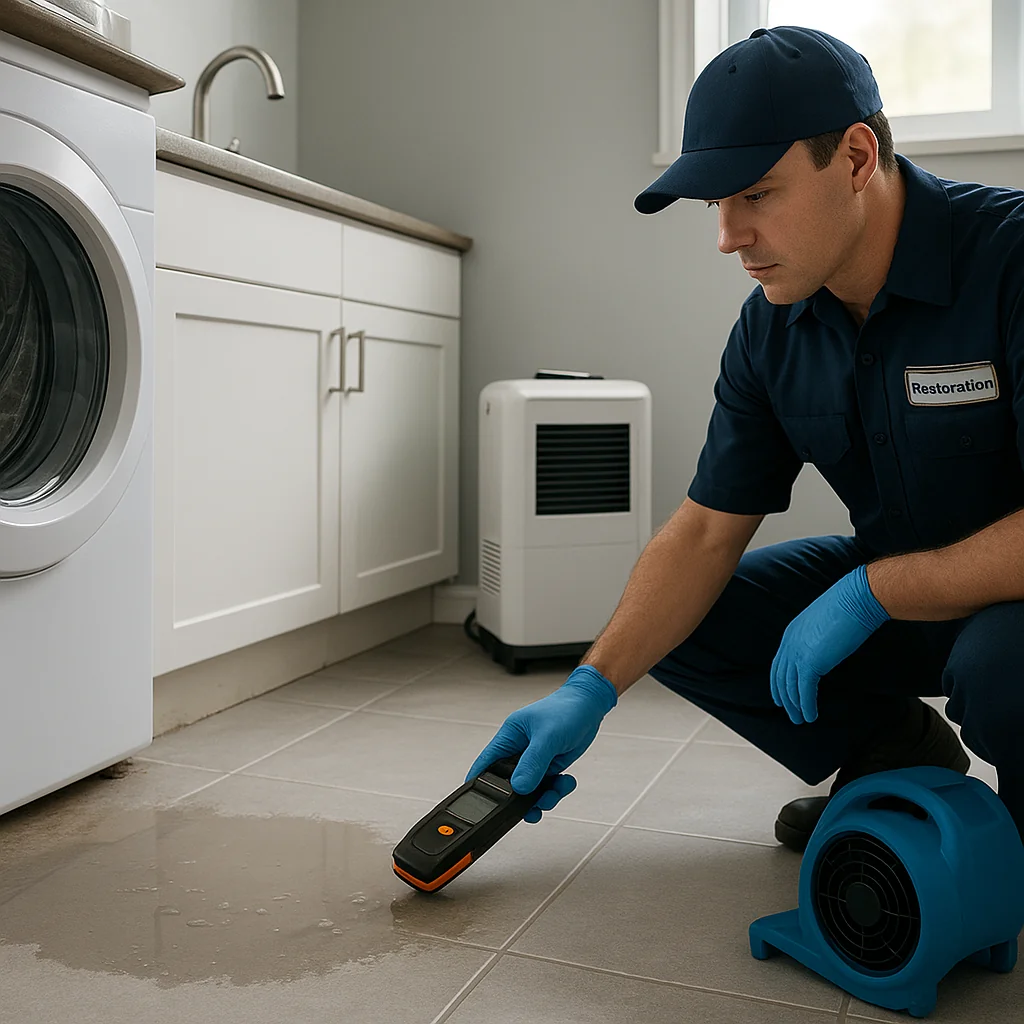
Understanding Gray Water Damage in Your Home
Gray water damage is a category of water intrusion that falls between clean water and the most hazardous sewage-level contamination. If you are a homeowner in Noblesville dealing with water damage from a washing machine overflow, dishwasher leak, or sink backup, you are likely dealing with gray water. Understanding exactly what gray water is, how it differs from other water categories, and what risks it poses to your home and health is the first step toward making smart restoration decisions.
The Three Categories of Water Damage
Water damage restoration professionals classify water damage into three distinct categories based on contamination level. Knowing where gray water fits in this spectrum helps you understand the urgency and scope of cleanup required.
- Category 1 – Clean Water: This originates from sanitary sources like a broken supply line, a leaking faucet, or a malfunctioning refrigerator. It poses no immediate health risk. You can learn more about how appliance-related leaks are handled through refrigerator leak restoration services that address this type of clean water intrusion.
- Category 2 – Gray Water: This contains significant contamination and has the potential to cause sickness if ingested or if a person is exposed to it for an extended period. Gray water comes from sources like washing machines, dishwashers, aquariums, toilet overflows containing only urine, and sump pump failures.
- Category 3 – Black Water: This is the most hazardous category and includes sewage backups, flooding from rivers or streams, and standing water that has been left untreated long enough to harbor dangerous pathogens.
Gray water sits in a critical middle zone. While it is not immediately toxic like black water, it is far from harmless. It contains bacteria, chemicals, detergents, mold spores, and biological contaminants that can rapidly multiply if the water is not removed and the affected area is not properly dried and sanitized.
Common Sources of Gray Water Damage in Noblesville Homes
In Noblesville and surrounding Hamilton County communities, gray water damage events are surprisingly common. Homes in this area experience a range of plumbing and appliance failures that can introduce gray water into living spaces. Here are the most frequent culprits:
- Washing machine overflows or hose failures: Washing machines use large volumes of water mixed with detergent and fabric debris. A burst supply hose or a clogged drain can send this water flooding across laundry room floors and into adjacent spaces.
- Dishwasher leaks: Dishwashers cycle through food particles and detergent, making their wastewater a prime example of gray water contamination.
- Bathroom sink and bathtub overflows: Water from these fixtures contains soap residue, body oils, and potential biological matter.
- Sump pump failures: When sump pumps fail during heavy Indiana rainstorms, the water that backs up into a basement can carry contaminants from the soil and drainage system.
- HVAC condensate line backups: Air conditioning condensate systems can back up and release water that contains mold spores and biological growth.
Each of these scenarios requires prompt professional attention. The longer gray water sits, the more dangerous it becomes. Within 24 to 48 hours, Category 2 gray water can degrade into Category 3 black water as bacteria multiply and organic materials decompose.
Health Risks Associated with Gray Water Exposure
Gray water is not something to take lightly. While it may not carry the raw sewage pathogens of black water, it still presents real health risks to occupants, especially children, elderly individuals, and those with compromised immune systems. Exposure to gray water can lead to:
- Skin irritation and rashes from chemical and biological contact
- Gastrointestinal illness if accidentally ingested
- Respiratory issues from mold spores that develop in damp environments
- Eye and nose irritation from airborne contaminants
Mold is one of the most serious secondary concerns following gray water damage. Mold can begin colonizing porous materials like drywall, carpet, insulation, and wood within 24 to 48 hours of water exposure. Once mold takes hold, the remediation process becomes significantly more complex and costly.
Structural Damage Caused by Gray Water
Beyond health concerns, gray water damage can cause serious structural harm to your home if not addressed quickly. Water is remarkably destructive when it infiltrates building materials. Here is what can happen:
- Subfloor deterioration: Wood subfloors absorb gray water rapidly and begin to warp, swell, and rot. This can compromise the structural integrity of your flooring system.
- Drywall damage: Drywall acts like a sponge, absorbing contaminated water and becoming a breeding ground for mold.
- Insulation saturation: Wet insulation loses its thermal properties and holds moisture against structural framing, accelerating wood rot.
- Foundation and basement issues: Gray water that migrates into a basement can weaken the foundation over time and create persistent moisture problems. Professional basement water damage restoration is often necessary to fully address these issues.
In Noblesville homes, basements are particularly vulnerable. Many properties in Hamilton County have finished or semi-finished basements used as living spaces, home offices, or storage areas. When gray water reaches these spaces, the damage can be extensive and expensive to repair without professional intervention.
What to Do Immediately After Gray Water Damage
If you discover gray water damage in your home, acting quickly is essential. Here are the immediate steps you should take:
- Stop the source: Identify and shut off the source of the water if possible. Turn off the washing machine, dishwasher, or main water supply as needed.
- Protect yourself: Do not wade through gray water without protective gear. Wear rubber gloves and waterproof boots at minimum.
- Remove valuables: Move furniture, electronics, and personal belongings out of the affected area as quickly as possible.
- Do not use household fans alone: While ventilation helps, standard household fans are not sufficient for proper structural drying. They can actually spread mold spores to unaffected areas.
- Call a professional restoration company: Gray water damage requires industrial-grade extraction, drying, and sanitization equipment. A professional team can assess contamination levels and develop a proper remediation plan.
For Noblesville homeowners, the water damage cleanup process should always be handled by certified technicians who understand contamination protocols and proper drying science.
The Professional Gray Water Restoration Process
When a restoration team arrives at your home to address gray water damage, they follow a structured process designed to eliminate contamination and restore your home to a safe, dry condition. Here is what a professional gray water restoration typically involves:
1. Inspection and Assessment
Technicians use moisture meters, thermal imaging cameras, and air quality monitors to assess the full extent of the damage. This helps identify hidden moisture in walls, floors, and ceilings that is not visible to the naked eye.
2. Water Extraction
Industrial wet vacuums and truck-mounted extraction units remove standing water rapidly. For basement flooding events, basement water extraction is a critical first step that prevents further saturation of structural materials.
3. Contamination Treatment
Because gray water contains biological and chemical contaminants, affected surfaces must be treated with EPA-approved antimicrobial solutions. This step is essential for preventing mold growth and eliminating bacteria.
4. Structural Drying
Commercial-grade air movers and dehumidifiers are deployed to dry structural materials to industry-standard moisture levels. This process can take several days depending on the severity of the damage.
5. Monitoring and Documentation
Technicians return to monitor moisture readings throughout the drying process. Detailed documentation is maintained to support insurance claims.
6. Repairs and Restoration
Once the structure is dry and free of contamination, any damaged materials such as drywall, flooring, or insulation are removed and replaced. The goal is to restore your home to its pre-damage condition.
Gray Water Damage and Homeowners Insurance
Whether your homeowners insurance policy covers gray water damage depends on the source and circumstances of the water intrusion. Generally speaking:
| Source of Gray Water | Typically Covered? |
|---|---|
| Sudden washing machine overflow | Often covered under sudden and accidental damage |
| Dishwasher leak | Often covered if sudden and unintentional |
| Gradual leak from a slow drain | Often excluded as a maintenance issue |
| Sump pump failure | May require a separate sump pump rider |
| Flooding from outside | Requires separate flood insurance |
It is always a good idea to document the damage thoroughly with photos and videos before cleanup begins. A reputable restoration company can also assist with the claims process by providing detailed damage reports and moisture logs.
Serving Noblesville and Surrounding Communities
Water Damage Restoration Noblesville Pros proudly serves homeowners throughout Noblesville and the surrounding areas of Hamilton County. Whether your gray water damage event occurred in a finished basement, a main-floor laundry room, or a kitchen, our team is equipped to respond quickly and restore your home safely. We also serve nearby communities including Tipton and other areas throughout central Indiana.
If you are dealing with gray water damage or any form of water intrusion, do not wait. Contact Water Damage Restoration Noblesville Pros at (866) 725-0333 for immediate assistance from our certified restoration team.
Leave a Reply