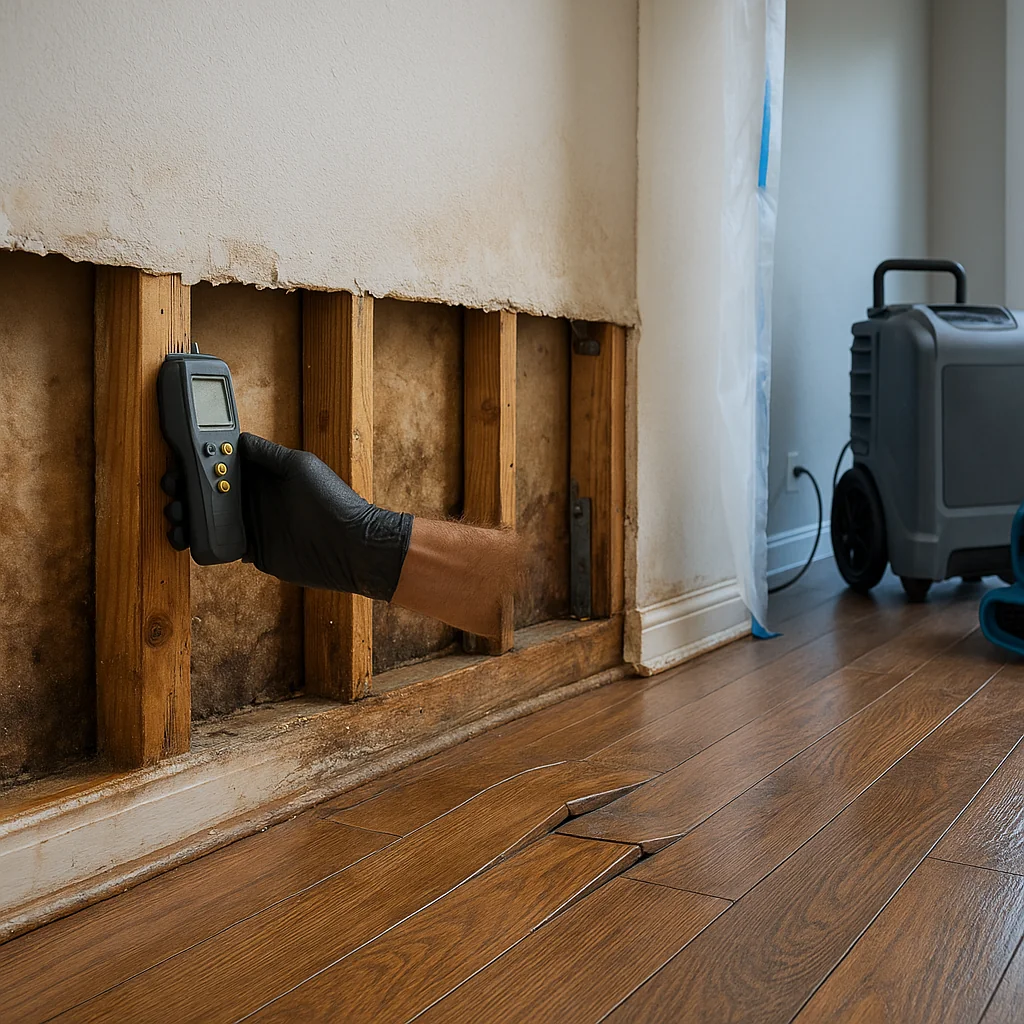
What Is Structural Water Damage and Why Does It Matter in Noblesville?
Structural water damage occurs when water infiltrates the load-bearing components of a home — including the foundation, framing, floor joists, walls, and roof supports — weakening the materials that keep your house standing safely. For homeowners in Noblesville, Indiana, where seasonal storms, heavy rainfall, and fluctuating temperatures are common, understanding structural water damage is essential to protecting one of your most valuable investments. Unlike surface-level water damage that can be dried and cleaned relatively quickly, structural damage compromises the integrity of your home itself and often requires professional intervention to fully remediate.
How Structural Water Damage Differs from Surface Water Damage
Not all water damage is created equal. Surface water damage refers to harm done to finishes and materials like drywall, flooring, paint, and furniture. While costly and inconvenient, surface damage is generally restorable without compromising the safety of the structure. Structural water damage, on the other hand, penetrates deeper — into the bones of your home.
Here is a simple comparison to help illustrate the difference:
| Type of Damage | What It Affects | Risk Level | Typical Repair Cost |
|---|---|---|---|
| Surface Water Damage | Drywall, flooring, paint, furniture | Moderate | Lower |
| Structural Water Damage | Foundation, framing, joists, beams | High to Severe | Significantly Higher |
When water is allowed to sit or repeatedly intrudes into structural elements, it can cause wood to rot, metal to corrode, and concrete to crack or erode. These are not cosmetic problems — they are safety hazards that can make a home uninhabitable if left unaddressed.
Common Causes of Structural Water Damage in Noblesville Homes
Understanding what leads to structural water damage can help you catch problems early. In Noblesville and the surrounding Hamilton County area, several factors contribute to this type of damage:
- Foundation Leaks: Heavy rains and saturated soil can force water through foundation cracks, especially in older homes. Once water enters the foundation, it can compromise the entire structural base of the house.
- Roof Leaks: A damaged or aging roof allows water to seep into the attic and upper framing. Over time, rafters and roof decking can rot or develop mold, creating serious structural concerns.
- Plumbing Failures: Burst pipes, slow leaks behind walls, and appliance malfunctions can introduce moisture into wall cavities and subfloors. Even a slow refrigerator leak left undetected can cause significant damage — which is why professional refrigerator leak restoration is so important when appliance-related water intrusion occurs.
- Basement Flooding: Basements are particularly vulnerable to structural water damage because they sit below grade. Repeated flooding can erode the foundation walls and cause floor systems above to weaken. Addressing basement water damage restoration promptly is critical to preventing long-term structural consequences.
- Sewage Backups: Sewage intrusions are not only unsanitary — they introduce highly corrosive materials into structural components. A basement sewage backup cleanup must be handled immediately to prevent both health risks and structural deterioration.
- Poor Drainage and Grading: Improper landscaping that directs water toward the home rather than away from it is a leading cause of foundation damage in Noblesville neighborhoods.
Signs That Your Home May Have Structural Water Damage
One of the most dangerous aspects of structural water damage is that it often develops silently, hidden behind walls, beneath floors, or deep within foundation materials. Knowing the warning signs can help you act before the problem becomes catastrophic.
Exterior Warning Signs
- Cracks in the foundation walls or floor slab
- Bowing or bulging exterior walls
- Efflorescence (white mineral deposits) on foundation surfaces
- Staining or watermarks on the exterior walls near the base
- Gaps forming between the home and attached structures like garages or porches
Interior Warning Signs
- Doors and windows that stick or no longer close properly — a sign that the frame may be shifting
- Uneven or sloping floors
- Cracks in drywall, especially diagonal cracks near corners of doors and windows
- Visible mold or mildew growth on walls and ceilings
- A persistent musty odor indicating hidden moisture
- Sagging ceilings or soft spots in flooring
If you notice any of these signs in your Noblesville home, it is important to contact a water damage restoration professional immediately. Early detection is the single most effective way to limit the scope and cost of repairs.
The Role of Hidden Moisture in Structural Damage
Many homeowners make the mistake of assuming that once visible water is removed, the problem is solved. In reality, moisture can linger deep within structural materials for weeks or even months after a water event. Wood framing that appears dry on the surface may still hold enough moisture to promote rot and mold growth from within.
This is why professional moisture detection services are a critical component of any thorough water damage assessment. Using thermal imaging cameras, moisture meters, and other advanced tools, restoration professionals can identify hidden pockets of moisture that the naked eye simply cannot detect. Skipping this step is one of the most common reasons homeowners end up dealing with recurring mold problems and progressive structural deterioration long after they thought the issue was resolved.
How Structural Water Damage Progresses Over Time
Structural water damage rarely announces itself with immediate catastrophic failure. Instead, it tends to follow a predictable progression that worsens with each passing week or month that it goes unaddressed:
- Stage 1 (Hours to Days): Water infiltrates structural materials. Wood begins to absorb moisture. Metal components start to oxidize.
- Stage 2 (Days to Weeks): Mold begins to colonize within 24 to 48 hours in moist conditions. Wood swells and begins to lose structural integrity. Drywall deteriorates and crumbles.
- Stage 3 (Weeks to Months): Wood rot sets in. Metal fasteners corrode and lose holding strength. Foundation materials erode or crack further. The home’s structural systems begin to shift or settle unevenly.
- Stage 4 (Months to Years): Severe structural compromise. Floors, walls, or roof systems may begin to fail. The home may become unsafe for occupancy.
The takeaway is clear: time is not on your side when structural water damage is present. Every day of delay increases repair costs and safety risks exponentially.
What Happens During Structural Water Damage Restoration?
Professional water damage restoration for structural issues involves far more than extracting water and running fans. A comprehensive structural restoration process typically includes:
- Initial Assessment and Moisture Mapping: Professionals evaluate the full extent of damage using moisture meters and thermal imaging to identify all affected areas.
- Water Extraction: Industrial-grade pumps and vacuums remove standing water from the affected areas.
- Controlled Drying: High-capacity dehumidifiers and air movers are strategically placed to dry structural materials from the inside out. This process can take several days depending on the severity of saturation.
- Mold Remediation: If mold is present — which it often is in structural damage scenarios — it must be professionally remediated before reconstruction begins.
- Structural Repair and Replacement: Rotted or compromised framing members, subfloor panels, foundation sections, and other structural components are repaired or replaced by qualified contractors.
- Final Inspection and Clearance Testing: Moisture readings are taken again to confirm that all materials are within acceptable ranges before the space is closed up.
Local Considerations for Noblesville Homeowners
Noblesville sits in a region of Indiana that experiences significant weather variability — from summer thunderstorms and flash flooding to winter freeze-thaw cycles that can stress foundation materials. Older neighborhoods near the White River and low-lying areas throughout Hamilton County are especially susceptible to basement and foundation water intrusion.
Communities throughout the region — including residents in Arcadia and other nearby areas — often face similar structural water damage challenges due to the regional soil composition and drainage patterns. Clay-heavy soils common in central Indiana retain water and exert significant hydrostatic pressure against foundation walls, making proper waterproofing and drainage maintenance especially important for local homeowners.
Tips to Prevent Structural Water Damage in Your Home
Prevention is always more affordable than restoration. Here are practical steps Noblesville homeowners can take to reduce the risk of structural water damage:
- Inspect and clean gutters and downspouts at least twice per year to ensure proper drainage away from the foundation
- Ensure the grading around your home slopes away from the foundation at a rate of at least six inches over the first ten feet
- Install a sump pump in the basement and test it regularly — consider a battery backup for power outage scenarios
- Seal foundation cracks promptly using appropriate waterproofing materials
- Inspect your roof annually and after major storms for missing shingles or damaged flashing
- Monitor water-using appliances regularly for signs of leaks
- Have a professional moisture assessment performed if you notice any early warning signs of water intrusion
When to Call a Professional
If you suspect structural water damage in your Noblesville home — whether from a recent flood event, a slow leak, or simply because you have noticed some of the warning signs described above — do not wait. Contact Water Damage Restoration Noblesville Pros at (866) 725-0333 to schedule a professional assessment. Attempting to evaluate or repair structural water damage on your own can be dangerous and may result in incomplete remediation that leads to recurring problems.
Structural water damage is a serious issue that demands professional expertise, the right equipment, and a thorough understanding of building systems. The sooner it is addressed, the better the outcome for your home and your family’s safety.
Leave a Reply