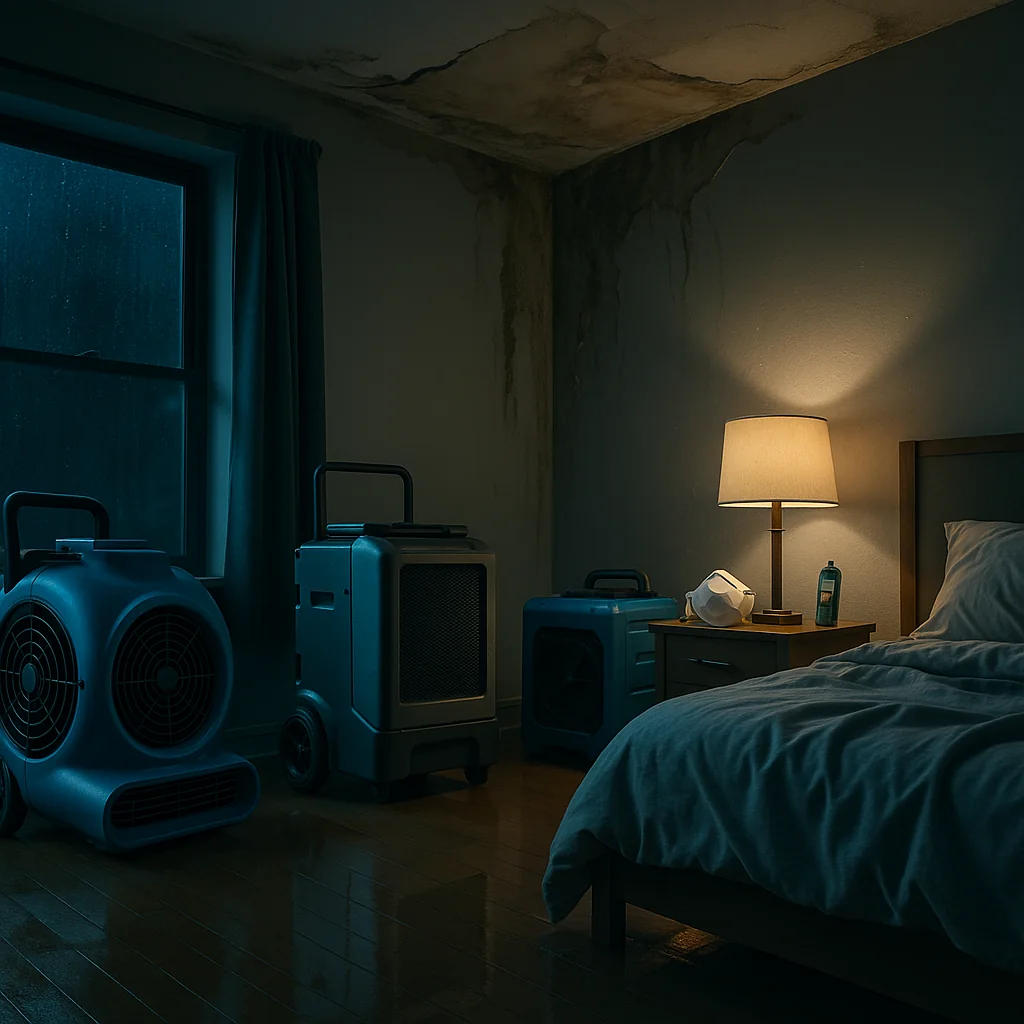
Is It Safe to Sleep in a Water-Damaged Home?
If your Noblesville home has recently experienced flooding, a burst pipe, or a roof leak, one of the first questions you may be asking is: can you sleep in a water-damaged home safely? The short answer is — it depends on the severity of the damage, but in most cases, staying overnight in a water-damaged property poses serious health and safety risks that should not be taken lightly. From toxic mold spores to structural instability and compromised air quality, the dangers are real and can escalate quickly. Understanding what to look for and when to leave is critical for protecting yourself and your family.
Why Water Damage Creates Dangerous Living Conditions
Water damage is never just a cosmetic problem. When water infiltrates your home — whether from a flooded basement, a broken appliance, or storm damage — it sets off a chain of events that can make your living environment hazardous within hours. Here is why staying in a water-damaged home can be risky:
- Mold Growth: Mold can begin developing within 24 to 48 hours of water exposure. Once airborne, mold spores can cause respiratory problems, allergic reactions, and in severe cases, toxic mold syndrome.
- Structural Damage: Saturated flooring, walls, and ceilings can weaken and collapse. Walking or sleeping in these areas puts you at risk of injury.
- Electrical Hazards: Water and electricity are a deadly combination. Flooded areas near electrical panels, outlets, or appliances can cause electrocution.
- Contaminated Water: Depending on the source of the water — especially sewage backups or floodwater — harmful bacteria, viruses, and chemical contaminants may be present throughout your home.
- Poor Air Quality: Damp environments trap pollutants and promote the growth of bacteria that degrade indoor air quality significantly.
Signs You Should Not Stay in Your Home Overnight
Not every water damage situation requires immediate evacuation, but certain warning signs indicate that sleeping in the home is unsafe. If you notice any of the following, you should leave and contact a professional restoration team right away:
- Visible mold growth on walls, ceilings, or floors
- A musty or sewage-like odor throughout the home
- Standing water that has not been removed
- Sagging or buckling ceilings and floors
- Discolored walls or peeling paint indicating water saturation
- Any contact between water and your electrical system
- Flooding from a contaminated source such as a sewer line or outdoor floodwater
Homeowners in areas like Downtown Noblesville often deal with older plumbing infrastructure that increases the risk of sewage-related flooding — a situation where the home should be vacated immediately and professionally cleaned before anyone returns.
Health Risks of Sleeping in a Water-Damaged Home
The health consequences of spending time — especially sleeping — in a water-damaged environment can be significant. Sleep is when your body is most vulnerable and your respiratory system is working at a steady, unguarded pace. Breathing in contaminated air for hours while sleeping can accelerate exposure to harmful agents.
Mold-Related Illnesses
Mold is one of the most common and dangerous byproducts of water damage. Stachybotrys chartarum — commonly known as black mold — is particularly dangerous and can develop in hidden areas behind walls and under flooring. Symptoms of mold exposure include:
- Persistent coughing and sneezing
- Skin and eye irritation
- Headaches and fatigue
- Worsening asthma or allergy symptoms
- In severe cases: neurological symptoms and chronic respiratory illness
Bacterial and Viral Contamination
Floodwater often carries pathogens from outdoor sources, sewage systems, and soil. These contaminants can linger on surfaces and in the air long after the visible water is gone. Children, the elderly, and immunocompromised individuals are especially vulnerable.
Carbon Monoxide Risk
In some situations, homeowners use generators or heating equipment improperly during or after flooding events. This can lead to dangerous carbon monoxide buildup — a colorless, odorless gas that can be fatal during sleep.
When Is It Safe to Stay in a Water-Damaged Home?
There are limited circumstances where staying in a water-damaged home may be acceptable — but only if all of the following conditions are met:
- The damage is minor and confined to a very small area (such as a small bathroom leak)
- The water source is clean (Category 1 water from a supply line)
- The affected area has been completely dried and is isolated from sleeping areas
- There is no mold, structural damage, or electrical risk
- Air quality in the sleeping area is unaffected
Even in these cases, professional assessment is strongly recommended. Engaging in proper water damage cleanup is the safest way to ensure your home is truly dry and free of hidden hazards before you return to normal routines.
What To Do Immediately After Water Damage
If you discover significant water damage in your Noblesville home, acting quickly can reduce both health risks and long-term restoration costs. Follow these steps:
- Turn off electricity to affected areas if it is safe to do so at the breaker panel.
- Stop the water source if possible — shut off the main water supply if dealing with a burst pipe.
- Document the damage with photos and video for your insurance claim.
- Avoid contact with floodwater or sewage-contaminated water.
- Call a professional restoration company immediately — do not wait.
- Ventilate the home by opening windows if outdoor air quality is good and it is safe to do so.
- Relocate temporarily if the damage is extensive.
Residents in neighborhoods like Hazel Dell and Fox Run should be particularly vigilant during Indiana’s heavy spring rain seasons when basement flooding is most common. Fast response is essential to preventing mold and protecting structural integrity.
The Role of Professional Water Damage Restoration
One of the most important steps you can take after water damage is hiring a certified restoration professional. DIY drying methods — fans, dehumidifiers, and towels — are rarely sufficient to address the full scope of water intrusion, especially in walls, subfloors, and insulation.
Professional restoration teams use industrial-grade equipment including thermal imaging cameras to detect hidden moisture, high-powered air movers and dehumidifiers, antimicrobial treatments to prevent mold, and structural drying protocols that meet industry standards. This level of thoroughness is what makes the difference between a home that is truly safe and one that appears dry on the surface but harbors dangerous moisture underneath.
For situations involving a flooded lower level, emergency flooded basement cleanup services are available around the clock and are designed to address the unique challenges that below-grade flooding presents — including drainage issues, sump pump failures, and heightened contamination risks.
Understanding Water Damage Categories
Not all water damage is equal. Restoration professionals classify water damage into three categories that help determine the level of risk and the appropriate response:
| Category | Water Source | Health Risk | Stay in Home? |
|---|---|---|---|
| Category 1 | Clean water (broken supply line) | Low | Possibly with minor damage |
| Category 2 | Gray water (appliance discharge, sink overflow) | Moderate | Not recommended |
| Category 3 | Black water (sewage, floodwater) | High | No — evacuate immediately |
Understanding which category applies to your situation can help you make a more informed decision about whether temporary relocation is necessary. When in doubt, always err on the side of caution and consult a professional.
Tips for Protecting Your Family During and After Water Damage
- Keep an emergency kit with essentials in case you need to leave quickly
- Have a temporary accommodation plan ready — family, friends, or a hotel
- Never use electrical appliances in wet areas
- Wear rubber boots and gloves if you must enter a flooded area
- Do not allow children or pets in water-damaged areas
- Keep your insurance provider’s contact information easily accessible
- Schedule a professional air quality assessment after major water events
Local Insight: Water Damage Risks in Noblesville
Noblesville, Indiana experiences a range of weather conditions that make water damage a recurring concern for homeowners. Spring storms, snowmelt, and heavy rainfall can overwhelm drainage systems and cause basement flooding, roof leaks, and foundation seepage. Older neighborhoods may have aging infrastructure that increases vulnerability to plumbing failures.
Water Damage Restoration Noblesville Pros understands the specific challenges that local homeowners face and is equipped to respond quickly to minimize damage and restore your home to a safe, livable condition. Whether you are dealing with a minor leak or a major flooding event, our team is available to help. Call us at (866) 725-0333 for immediate assistance.
Final Thoughts: Prioritize Safety Over Convenience
It can be tempting to sleep in your own home even after water damage — especially if the damage appears minor or if finding alternative accommodation is difficult. However, the hidden dangers of moisture, mold, contamination, and structural compromise make this a risk that is rarely worth taking. Your health and safety — and that of your family — must always come first.
If you are unsure whether your home is safe to occupy after water damage in Noblesville, do not guess. Contact a certified restoration professional who can assess the situation accurately and give you a clear answer based on facts rather than assumptions. Acting quickly and decisively is the best way to protect both your home and your health.
Leave a Reply