Why Spring Storms Are So Destructive in Noblesville
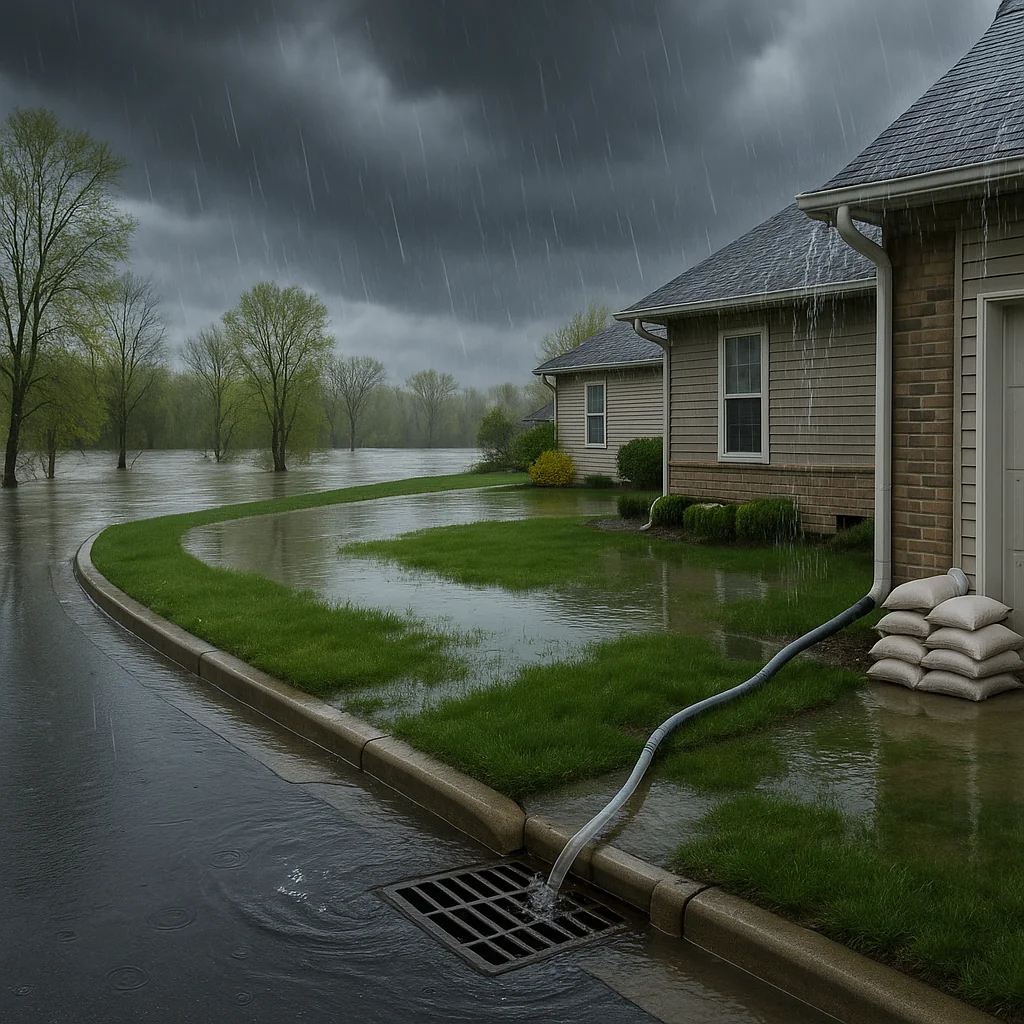
Spring storms in Noblesville, Indiana are among the most common and damaging weather events local homeowners face each year. Between heavy rainfall, rapid snowmelt, and saturated ground conditions, the combination creates the perfect environment for widespread flooding — and the water damage that follows can be devastating. Understanding exactly how these storms lead to flooding is the first step toward protecting your home and knowing when to call for professional water damage cleanup services.
The Science Behind Spring Storm Flooding
Noblesville sits in Hamilton County, a region of central Indiana where spring weather patterns are notoriously unpredictable. The area experiences a convergence of warm Gulf air and cold northern fronts during March through May, producing intense thunderstorms capable of dropping several inches of rain in just a few hours. When that kind of precipitation hits already-saturated ground — common after a wet winter — the results can be extreme.
There are several interconnected factors that make spring storms especially prone to causing flooding in this area:
- Frozen or saturated soil: After winter, the ground is often still partially frozen or heavily saturated. Water has nowhere to go and quickly runs off into streets, yards, and basements.
- Rapid snowmelt: When warm spring temperatures arrive suddenly, accumulated snow melts faster than drainage systems can handle, adding significant water volume to already stressed infrastructure.
- Intense rainfall rates: Spring thunderstorms in Indiana can produce rainfall at rates exceeding one inch per hour. Storm drains and retention ponds simply cannot keep pace.
- Low-lying topography: Noblesville has several neighborhoods situated near the White River and its tributaries, making them naturally susceptible to overflow during heavy rain events.
How the White River Affects Local Flooding
The White River runs directly through Noblesville, and its behavior during spring storm season is one of the most significant flood risks in the region. When upstream precipitation combines with local storm runoff, the river can rise rapidly — sometimes cresting several feet above normal levels within 24 to 48 hours of a major storm system.
Neighborhoods near River Road, Pleasant Street, and areas along the riverbanks have historically experienced overbank flooding during significant spring events. When the river rises, it doesn’t just affect homes near the water’s edge. Floodwaters push into storm sewer systems, causing backflow into residential areas that may be blocks away from the river itself.
This backflow effect is particularly concerning because it can introduce contaminated water into basements and crawl spaces — a situation that often requires professional basement sewage backup cleanup in addition to standard water removal.
Storm Drain Overload and Urban Runoff
As Noblesville has grown significantly over the past two decades, more land has been converted from natural green space to impervious surfaces like roads, parking lots, and rooftops. This development dramatically increases the volume and speed of stormwater runoff. Natural ground absorbs and filters rainwater slowly; pavement and rooftops shed it almost instantly.
During a heavy spring storm, this urban runoff overwhelms the city’s stormwater infrastructure. Catch basins fill up, drainage ditches overflow, and water begins to pool in low-lying areas. Residential streets can become temporary rivers, and that water inevitably finds its way into the lowest point available — which is often a basement or crawl space.
Common Entry Points for Floodwater in Noblesville Homes
Water is relentless in finding weaknesses in your home’s structure. During spring storms, floodwater typically enters through:
- Window wells: Basement window wells can fill with water rapidly during heavy rain and allow water to seep or pour through window frames.
- Foundation cracks: Even hairline cracks in poured concrete or block foundations become entry points when hydrostatic pressure builds up during saturated soil conditions.
- Floor drains: When municipal sewer systems are overwhelmed, water can back up through floor drains in basements.
- Sump pump failure: Power outages during storms can disable sump pumps at the worst possible time, allowing water to accumulate unchecked.
- Poorly graded yards: Landscaping that slopes toward the home rather than away from it channels surface water directly to the foundation.
The Hidden Danger: Moisture You Cannot See
One of the most underestimated consequences of spring storm flooding is the moisture that penetrates walls, insulation, and structural materials without being immediately visible. A basement that appears to have dried out after a flood may still harbor significant moisture trapped inside drywall, wood framing, or concrete block walls.
This hidden moisture is the primary driver of mold growth, which can begin developing within 24 to 48 hours of water exposure. Mold not only damages building materials but also poses serious health risks to occupants. Professional moisture detection services use thermal imaging cameras and moisture meters to identify water that has migrated behind walls or beneath flooring — damage that would otherwise go undetected until mold or structural deterioration becomes visible.
Basement Flooding: The Most Common Spring Storm Outcome
For Noblesville homeowners, basement flooding is the single most frequent consequence of spring storm activity. Whether water enters through foundation walls, window wells, or backed-up drains, a flooded basement represents thousands of dollars in potential damage to flooring, drywall, personal belongings, and mechanical systems like HVAC equipment and water heaters.
Prompt action is critical. Standing water in a basement should be removed as quickly as possible to minimize damage and reduce the risk of mold. However, simply pumping out the water is only the beginning. Thorough basement water damage restoration involves drying structural materials, treating affected surfaces with antimicrobial agents, and verifying that moisture levels have returned to safe ranges before any reconstruction begins.
Steps to Take Immediately After a Spring Flood
If your Noblesville home experiences flooding during a spring storm, taking the right steps quickly can significantly reduce the extent of damage:
- Ensure safety first: Do not enter a flooded basement if there is any risk of electrical hazards. Turn off power to the affected area at the breaker panel before entering.
- Document everything: Photograph and video all visible damage before beginning any cleanup. This documentation is essential for insurance claims.
- Remove standing water: Use a wet/dry vacuum or sump pump to remove standing water as quickly as possible.
- Increase ventilation: Open windows and use fans to begin drying the space, but understand that professional-grade drying equipment is far more effective.
- Contact a restoration professional: A certified water damage restoration company can assess the full extent of damage and deploy industrial drying equipment to prevent long-term problems.
How Neighboring Areas Are Also Affected
Spring storm flooding is not limited to Noblesville alone. The same weather systems that affect Hamilton County move across the region, impacting communities throughout central Indiana. Residents in nearby communities such as those we serve in Tipton face similar flooding challenges during spring storm season, particularly in areas with older infrastructure or significant agricultural runoff.
Understanding that flooding is a regional issue helps illustrate why having a trusted local restoration partner matters. Response time is everything when water is actively damaging your home.
Preventive Measures Noblesville Homeowners Should Take
While you cannot control the weather, there are meaningful steps you can take to reduce your home’s vulnerability to spring storm flooding:
- Install a battery backup sump pump: A backup system ensures your sump pump continues operating even during power outages caused by storms.
- Extend downspouts: Downspouts should discharge water at least six feet from your foundation to prevent pooling near the home.
- Seal foundation cracks: Have a professional inspect and seal any cracks in your foundation walls before storm season arrives.
- Grade your landscaping properly: The ground around your home should slope away from the foundation at a rate of at least six inches over the first ten feet.
- Install window well covers: Properly fitted covers prevent window wells from filling with rainwater.
- Check your sump pump annually: Test your sump pump each spring by pouring water into the pit to confirm it activates and drains properly.
Understanding Your Flood Risk in Noblesville
Hamilton County and the City of Noblesville maintain flood zone maps that identify areas with elevated flood risk. Homeowners in designated Special Flood Hazard Areas (SFHAs) are typically required to carry flood insurance if they have a federally backed mortgage. However, it is important to note that a significant percentage of flood claims come from properties located outside of high-risk flood zones.
Spring storms do not respect flood zone boundaries. Even homes that have never experienced flooding before can be affected when storm intensity exceeds what local infrastructure was designed to handle. Reviewing your property’s flood zone designation and considering flood insurance — regardless of whether it is required — is a wise precaution for any Noblesville homeowner.
| Flood Risk Factor | Impact Level | Prevention Strategy |
|---|---|---|
| Proximity to White River | High | Flood insurance and elevation assessment |
| Basement window wells | Medium-High | Install fitted window well covers |
| Sump pump reliability | High | Battery backup system installation |
| Foundation condition | Medium | Annual inspection and crack sealing |
| Yard grading | Medium | Regrade to slope away from foundation |
When to Call Water Damage Restoration Noblesville Pros
If your home has experienced flooding from a spring storm — whether it is a small amount of water seeping through a foundation wall or a fully flooded basement — the team at Water Damage Restoration Noblesville Pros is ready to help. Our certified technicians respond quickly to minimize damage and use professional-grade equipment to thoroughly dry and restore your home.
Do not wait to see if the problem resolves on its own. Water damage worsens with every passing hour. Contact us at (866) 725-0333 to speak with a restoration specialist who understands the unique flooding challenges Noblesville homeowners face every spring.
Leave a Reply